
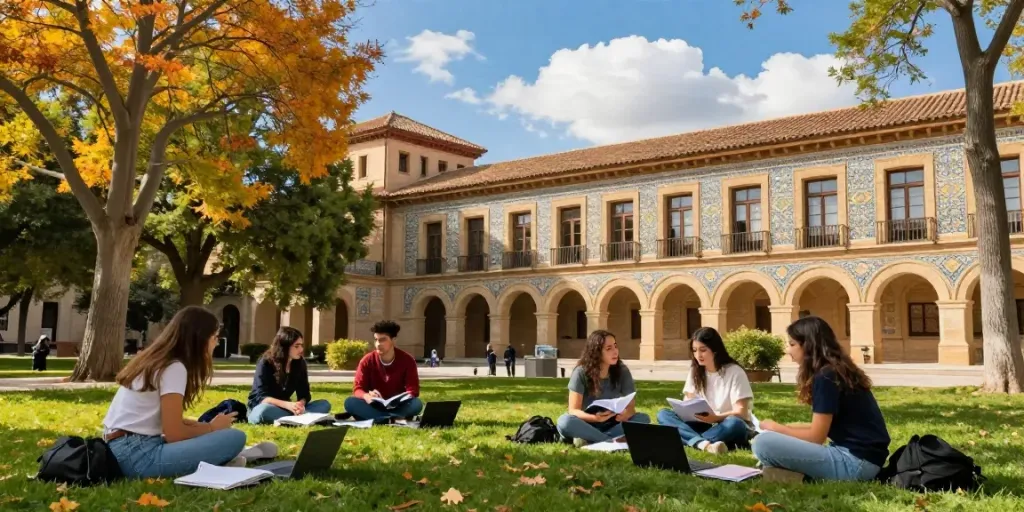
Overview of Study Opportunities in Spain
As the global landscape of education continues to evolve, Spain emerges as a popular destination for international students seeking quality education and diverse cultural experiences. With affordable tuition fees and a wide range of programs available, students are increasingly exploring the options within du hoc tay ban nha. This article delves into various aspects of studying in Spain, focusing on the requirements, costs, scholarships, and more for prospective students in 2026.
Why Choose du hoc tay ban nha?
Choosing to study in Spain carries numerous advantages, making it an appealing choice for international students. The country boasts a rich academic heritage, being home to some of the oldest universities in Europe, such as the University of Salamanca and the University of Barcelona. Additionally, Spain offers programs taught in both Spanish and English, catering to a diverse student body. This flexibility allows students to immerse themselves in the Spanish language while pursuing their academic interests.
Popular Academic Programs for 2026
In 2026, a variety of academic programs will be in high demand among international students. Some of the most sought-after fields include:
- Business Administration and Management
- Engineering and Technology
- Social Sciences and Humanities
- Health Sciences and Nursing
- Hospitality and Tourism Management
The diverse range of courses offered by Spanish universities allows students to find programs that align with their career aspirations while enjoying the cultural richness of Spain.
Benefits of Studying in Spain
Studying in Spain comes with numerous benefits, including:
- High-Quality Education: Spanish universities are known for their rigorous academic standards and research opportunities.
- Affordable Tuition: Compared to other Western European countries, Spain offers lower tuition fees, making it an economical choice for many students.
- Cultural Experience: Spain's vibrant culture, rich history, and diverse regions provide a unique living experience for students.
- Networking Opportunities: Being a part of the European education system allows students to build international networks that can benefit their future careers.
Application Process for Studying in Spain
Required Documents for du hoc tay ban nha Applications
The application process for studying in Spain involves several important steps. Applicants typically need to prepare a set of documents, including:
- Completed application form
- Valid passport
- Proof of previous academic qualifications
- Language proficiency certificates (if applicable)
- Financial proof to cover tuition and living expenses
Step-by-Step Visa Application Guide
After receiving an acceptance letter from a Spanish university, the next step is to apply for a student visa. The process usually includes:
- Gather required documents, including proof of acceptance and financial means.
- Submit the visa application at the nearest Spanish consulate or embassy.
- Attend an interview if required.
- Wait for visa processing, which can take several weeks.
It is essential to start the visa process early to avoid any delays in your plans to study in Spain.
Common Challenges and Solutions
International students may encounter several challenges when applying to study in Spain, such as language barriers and navigating the bureaucracy of visa applications. A proactive approach, including seeking assistance from educational consultants and using online resources, can help simplify the process. Additionally, learning some basic Spanish phrases can ease communication and cultural adaptation once in Spain.
Financial Aspects of Studying in Spain
Estimated Costs for Tuition and Living Expenses
Understanding the financial implications of studying in Spain is crucial for prospective students. Here are the estimated costs:
- Tuition Fees: Public universities charge between €700 and €4,000 per year, while private institutions typically range from €5,000 to €20,000.
- Living Expenses: Monthly living costs can vary significantly based on location, with averages ranging from €300 to €1,000, including accommodation, food, and transportation.
Scholarship Opportunities for du hoc tay ban nha
Many universities in Spain offer scholarships to international students. These can significantly offset costs, making higher education more accessible. Scholarships may cover tuition fees or provide stipends for living expenses. Some notable scholarship programs include:
- Erasmus Mundus Scholarship
- Spanish Government Scholarships
- University-specific scholarships
Budgeting Tips for International Students
To make the most of your financial resources while studying in Spain, consider the following budgeting tips:
- Create a monthly budget to track your spending.
- Look for student discounts on transportation and entertainment.
- Consider shared accommodation to reduce housing costs.
- Explore part-time job opportunities to supplement your income.
Life as an International Student in Spain
Cultural Adaptation and Support
Adapting to life in Spain can be both exciting and challenging for international students. Universities typically offer orientation programs to help students acclimatize to their new environment. Engaging with local communities and participating in cultural events can enhance this experience and ease any feelings of homesickness.
Work Opportunities During Studies
International students in Spain are generally allowed to work part-time during their studies, usually up to 20 hours per week. This can be an excellent opportunity for students to gain work experience while managing educational expenses. Popular jobs for students include:
- Hospitality roles (waitstaff, bartenders)
- Tutoring or teaching English
- Internships within their field of study
Safety and Health Considerations
Spain is considered a safe country for international students; however, it's essential to take standard precautions, such as securing personal belongings and staying aware of your surroundings. Additionally, students are encouraged to register with their university's health services to access medical care when needed.
Future Perspectives on du hoc tay ban nha
Long-Term Career Opportunities Post-Graduation
Graduating from a Spanish university opens up numerous career opportunities, both in Spain and internationally. With a strong emphasis on practical skills and industry connections, students are often well-prepared for the job market. Many graduates find employment in:
- Multinational corporations
- Non-governmental organizations
- Startups and entrepreneurial ventures
Trends in International Education in Spain
As the landscape of international education evolves, Spain continues to adapt and modernize its offerings. Trends such as increased digital learning options and international collaborations among universities are becoming more common. Spain’s commitment to fostering a diverse and inclusive educational environment is a strong draw for students worldwide.
Advice from Recent Graduates
Recent graduates of Spanish universities often recommend embracing the experience fully by participating in extracurricular activities and networking opportunities. Building connections during your studies can significantly enhance career prospects post-graduation. They also stress the importance of language acquisition, as being proficient in Spanish can open many doors in the job market.